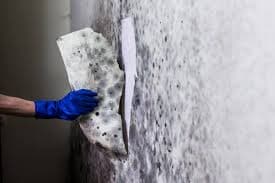
Mold inspection in Central Florida is the call homeowners make in July, when summer humidity and afternoon storms push every poorly-ventilated bathroom and laundry room past its limit. Sarasota's average July dewpoint sits around 75 degrees, which is mold's favorite climate. This guide covers what an inspection actually involves, what it costs, and the signs that say call now versus wait.
Mold inspection in Central Florida is the call homeowners make in July, when summer humidity and afternoon storms push every poorly-ventilated bathroom and laundry room past its limit. Sarasota's average July dewpoint sits around 75 degrees, which is mold's favorite climate. This guide covers what an inspection actually involves, what it costs, and the signs that say call now versus wait.
Quick Answer
A mold inspection in Central Florida includes a visual assessment, moisture mapping with a meter, and optional air sampling sent to a lab. Sarasota homeowners typically need one when they smell musty odors, see staining near AC vents or under sinks, or experience unexplained allergy-like symptoms. Results come back in three to seven business days.
Why Florida Has a Mold Problem No Other State Does
Three things have to be true for mold to grow: a food source, oxygen, and moisture. Florida homes provide all three on every wall. Drywall paper is food. Air is everywhere. Moisture is the only variable, and Sarasota gives it away free.
Indoor humidity above 60 percent for more than 48 hours starts feeding mold. Most homes in Sarasota, Bradenton, and Venice run between 55 and 70 percent during summer unless the AC is sized correctly and running consistently. That's why mold isn't a question of "if" in Central Florida. It's a question of "where" and "how much."
Signs You Need a Mold Inspection
Don't wait for visible black spots. By that point, the mold has been growing for weeks behind the surface. The earlier signals are:
Musty smell. A wet-cardboard or earthy odor in a closet, bathroom, or near a return air vent almost always means mold somewhere in the airflow path. Smell precedes sight by months.
AC that won't keep humidity down. If your thermostat reads 74 degrees but the air feels heavy and the supply vents drip condensation, the system isn't pulling moisture out. That moisture is sitting in your walls.
Recurring allergy symptoms inside the house. If you feel worse at home than at work or outside, the issue is in the air you're breathing inside.
Water staining. Discoloration on ceilings around AC closets, on drywall under windows, on cabinet bases below sinks, or anywhere a roof penetration sits above. Stains mean water has been there. Mold usually has been too.
Recent flooding or leak. A roof leak, supply line break, or storm intrusion that wasn't dried within 48 hours has likely seeded mold. Even if the visible water is gone, the colonies behind the drywall aren't.
What Happens During a Mold Inspection
A proper mold inspection in Sarasota is not someone walking through with a tape measure. It's a methodical assessment with calibrated tools.
Visual walkthrough. Every room, every closet, every utility space, every attic and crawl. The inspector documents staining, surface growth, and moisture-related damage with photos.
Moisture mapping. A pin-type or pinless moisture meter scans drywall, baseboards, and structural surfaces in suspect areas. Readings above 16 percent in drywall indicate active or recent moisture. Readings above 20 percent indicate the kind of conditions mold thrives in.
Thermal imaging. Infrared cameras spot temperature differentials caused by hidden moisture, often behind walls or above ceilings. This is how we find leaks the homeowner didn't know existed.
Humidity reading. Indoor relative humidity logged at multiple points in the home. We compare this against outdoor humidity to see whether your envelope is sealing the way it should.
Air sampling, if warranted. A spore trap pulls air for five minutes through a slide that catches mold spores. We pull samples from suspect areas and a baseline outdoor sample. The lab compares them and reports the species and concentrations.
Surface sampling, if warranted. A swab or tape lift from visible growth confirms whether what looks like mold is actually mold (sometimes it's mineral staining or soot).
What It Costs in Sarasota and Bradenton
The cost of a mold inspection depends on the home: its size, its age, and how many air samples are needed for a usable comparison (most homes need two to four, plus the lab fee). Contact Good News Home Inspections for a quote on your property.
Compare that to remediation, which is a major expense even for a small bathroom and can reach five figures for whole-home contamination. The inspection is the cheap part.
What Florida Code Requires (and Doesn't)
Florida licenses mold assessors and mold remediators separately. The same person cannot do both, by law. This is critical: any company that "inspects and quotes the remediation" in one visit is operating in a conflict of interest. You want an independent mold assessor, not a remediation company offering a "free" inspection.
Good News Home Inspections does mold assessments only. We don't do remediation, which means our findings aren't financially tied to selling you a fix.
Sarasota and Bradenton Neighborhoods Where Mold Hits Hardest
Older homes in Gulf Gate, Sarasota Springs, Bradenton's River Run area, and the original sections of Venice tend to have undersized AC systems for current insulation standards. They're the most common mold-call homes.
Newer construction in Lakewood Ranch, Wellen Park, and the North Port build-out areas has the opposite problem: builders sometimes seal homes too tight, then never balance the supply and return airflow, which creates pressure differentials that drive humid outdoor air into wall cavities.
Coastal homes on Anna Maria Island, Longboat Key, and Siesta Key face the additional challenge of salt air corroding AC coils, reducing dehumidification capacity over time.
Related Reading
- Florida Home Inspection: The Complete Guide
- 4-Point Inspection in Florida: What Homeowners and Buyers Need to Know
- Property Red Flags Buyers Should Recognize
- Septic System Inspections: What Florida Homeowners Need to Know Before Buying
- Home Maintenance With Pets
FAQ
How long does a mold inspection take? Two to four hours for a typical Sarasota home, plus three to seven business days for lab results if air samples are taken.
Do I need a mold inspection before buying a home in Florida? If the home shows any moisture history, smells musty, or has had recent water intrusion, yes. A standard home inspection notes mold-like growth but doesn't sample or quantify it.
Will my home insurance pay for mold inspection or remediation? Most Florida policies cap mold coverage at a low sub-limit or exclude it unless it stems from a covered water loss (sudden burst pipe, for example). Long-term humidity and slow leaks are typically excluded.
Is black mold more dangerous than other mold? "Black mold" usually refers to Stachybotrys chartarum, but many molds appear black and not all are toxic. The lab report identifies species. Treat any indoor mold growth as a problem regardless of color.
Can I test for mold myself with a home kit? The petri-dish kits sold at hardware stores produce results that are essentially meaningless because mold spores are everywhere outdoors. You need a comparison-based protocol with calibrated air pumps and lab-grade slides.
How do I schedule a mold inspection in Sarasota? Call Good News Home Inspections at (941) 315-7075 or email info@gnhinspect.com. We serve Sarasota, Bradenton, Venice, North Port, and 21 counties across Central Florida.
Sage Newgard is an InterNACHI Certified and Board Certified Master Inspector. If your home doesn't smell right, doesn't feel right, or has had water in the last six months, the inspection is the next step.